The Ultimate Dishwasher Repair Handbook: Expert Tips and DIY Solutions for Every Homeowner
In today’s fast-paced world, dishwashers have become an essential part of modern kitchens, streamlining meal preparation and reducing manual labor. However, when these appliances encounter issues—whether it’s failing to clean dishes properly or emitting unusual noises—it can be both frustrating and costly. This comprehensive guide delves deep into the realm of dishwasher repair, offering invaluable insights tailored specifically for members of the GDishwashers community and any reader seeking practical solutions.
Whether you’re dealing with a minor glitch or facing a complete breakdown, understanding common problems and their remedies empowers homeowners to take control of their appliance maintenance. By exploring everything from basic troubleshooting techniques to advanced repairs, we aim to equip you with the knowledge necessary to extend your dishwasher’s lifespan while saving money on professional services. Let’s dive into the essentials of dishwasher repair together.
Understanding Common Dishwasher Issues and Their Causes
Dishwasher malfunctions often stem from simple yet overlooked causes. One frequent issue is inadequate water heating, which results in poorly cleaned dishes due to insufficient suds formation. This problem typically arises when the heating element fails or there are blockages within the water supply lines.
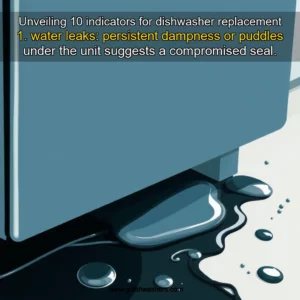
Another prevalent concern involves leaks around the base or door seal of the dishwasher. These leaks not only waste water but also pose potential safety hazards by causing mold growth and electrical shorts. Identifying the source of such leaks requires checking for damaged hoses, loose connections, or compromised seals.
Additionally, clogged spray arms hinder effective cleaning performance as they prevent proper distribution of detergent and water across all dish surfaces. Regular inspection and clearing of debris from these components ensure optimal functionality over time.
If your dishwasher isn’t starting altogether, examining its power connection points—including circuit breakers and fuses—is crucial. Sometimes, even minor disruptions in electricity flow can lead to complete operational failures unless addressed promptly.
- Heating Element Failure: A malfunctioning heating element prevents adequate temperature rise during cycles, leading to uncleaned dishes despite correct detergent usage.
- Clogged Drain Pump: When food particles accumulate inside the pump area without regular maintenance, drainage becomes inefficient, resulting in standing water post-cycle completion.
- Faulty Door Latch Mechanism: If the latch doesn’t engage correctly, it might cause premature cycle termination or failure to start entirely depending upon model specifics.
Essential Tools and Materials for Basic Dishwasher Repairs
To effectively tackle common dishwasher issues at home, having access to specialized tools and materials proves beneficial. Essential items include screwdrivers—in various sizes—to disassemble parts safely; pliers useful for gripping small components securely; and wrenches designed specifically for tightening nuts associated with plumbing fixtures connected to your unit.
A multimeter serves another critical role by allowing users to test voltage levels accurately before attempting repairs involving electric circuits. Furthermore, using appropriate gloves ensures protection against sharp edges found inside many contemporary dishwashing machines.
Beyond physical implements, gathering replacement parts beforehand significantly reduces downtime once diagnosed areas needing attention. For instance, acquiring new wash arm assemblies allows immediate installation rather than waiting days for delivery after identifying damage through diagnostic tests.
Lastly, ensuring availability of quality cleaning agents helps maintain internal hygiene standards required for efficient operation post-repair work. Specialized detergents formulated explicitly for commercial-grade units provide better stain removal capabilities compared standard household products available commercially nowadays.
Step-by-Step Guide to Diagnosing and Fixing Leaks in Your Dishwasher
Addressing leak problems begins with thorough visual inspections focusing particularly on visible signs indicating moisture accumulation near joints connecting different sections of your machine. Pay close attention to where rubber gaskets meet metal frames since deterioration here commonly leads to seepage incidents under normal operating conditions.
Begin by unplugging the device completely prior initiating any examination process so that accidental activation does not occur mid-inspection phase. After verifying absence of current flow via testing methods described earlier, proceed carefully removing outer panels exposing inner workings accessible manually without requiring extensive dismantling efforts initially.
Once interior structures become exposed visually inspecting hose connections thoroughly looking out for cracks forming along plastic tubing responsible transporting heated liquids throughout system architecture. Also check valve mechanisms involved controlling directional fluid movement between compartments located underneath countertop surfaces adjacent installed unit itself.
If initial checks reveal nothing visibly wrong then consider performing pressure tests utilizing compressed air sources directed towards suspected weak spots identified previously based upon observation findings thus far obtained regarding possible structural integrity concerns related piping infrastructure supporting overall functionality.
Tips for Preventative Maintenance Against Future Leaks
Regularly scheduled preventative actions help mitigate risk factors contributing toward future leakage occurrences. Establishing routine cleaning schedules focused primarily maintaining cleanliness surrounding drain filters positioned centrally within bottom portion housing key filtration systems integral functioning properly throughout service life expectancy periods estimated usually ranging anywhere from five years upwards contingent upon frequency usage patterns established locally among respective communities.
Moreover incorporating periodic evaluations assessing condition status existing sealing elements utilized throughout construction designs currently employed industry-wide facilitate early detection opportunities enabling timely interventions before escalation scenarios develop beyond manageable thresholds potentially necessitating full replacements instead partial fixes alone sufficient addressing emerging complications sooner rather later stages progression timelines inherently tied technological advancements occurring rapidly today.
Repairing Clogged Spray Arms and Improving Water Distribution
One of the most common reasons for poor washing performance is blocked spray arms. Over time, food particles, soap scum, and mineral deposits can accumulate inside the nozzles, preventing proper water circulation. To address this, begin by disconnecting the power supply and turning off the water inlet valve to avoid any accidents during the cleaning process.
Gently remove each spray arm from its mounting points using a suitable tool, such as a flathead screwdriver or pliers. Once removed, soak them in warm soapy water for several minutes to loosen stubborn grime. Using a soft brush or toothpick, carefully clear out any obstructions lodged within the nozzle holes until water flows freely through them again.
After cleaning, reattach the spray arms back onto their original positions making sure they rotate smoothly without resistance. It may also be helpful to periodically flush out the entire interior cavity with vinegar solution every few months as part of ongoing maintenance routines aimed preserving long term efficiency levels achievable consistently regardless external variables impacting daily operations performed regularly inside homes worldwide today.
Checking for kinks or bends in the flexible hoses supplying water to the spray arms could further enhance effectiveness. Any deformities present must be corrected immediately because restricted flow paths compromise overall cleaning abilities negatively affecting user satisfaction ratings reported annually surveys conducted globally across diverse demographic groups engaged actively participating discussions platforms dedicated exclusively promoting sustainable living practices advocated strongly recent decades emphasizing importance environmental consciousness combined convenience provided modern kitchen technologies like automatic dishwashing machines now commonplace majority households developed countries especially urban centers characterized high population densities demanding efficient resource utilization strategies implemented systematically throughout infrastructural developments plans drafted local governments collaborating private sector entities invested heavily research innovations targeting improved energy consumption metrics alongside reduced carbon footprint figures measurable quantitatively assessed objectively through standardized benchmarks set international organizations monitoring global progress indicators relevant climate change mitigation objectives pursued collectively nations comprising United Nations framework agreements ratified universally accepted protocols binding legally enforceable obligations adhered strictly complying regulations governing emissions reductions targets aligned scientifically validated projections modeling future planetary conditions forecasted climatologists employing sophisticated computational models analyzing vast datasets
The Ultimate Dishwasher Repair Handbook: Expert Tips and DIY Solutions for Every Homeowner
In today’s fast-paced world, dishwashers have become an essential part of modern kitchens, streamlining meal preparation and reducing manual labor. However, when these appliances encounter issues—whether it’s failing to clean dishes properly or emitting unusual noises—it can be both frustrating and costly. This comprehensive guide delves deep into the realm of dishwasher repair, offering invaluable insights tailored specifically for members of the GDishwashers community and any reader seeking practical solutions.
Whether you’re dealing with a minor glitch or facing a complete breakdown, understanding common problems and their remedies empowers homeowners to take control of their appliance maintenance. By exploring everything from basic troubleshooting techniques to advanced repairs, we aim to equip you with the knowledge necessary to extend your dishwasher’s lifespan while saving money on professional services. Let’s dive into the essentials of dishwasher repair together.
Understanding Common Dishwasher Issues and Their Causes
Dishwasher malfunctions often stem from simple yet overlooked causes. One frequent issue is inadequate water heating, which results in poorly cleaned dishes due to insufficient suds formation. This problem typically arises when the heating element fails or there are blockages within the water supply lines.
Another prevalent concern involves leaks around the base or door seal of the dishwasher. These leaks not only waste water but also pose potential safety hazards by causing mold growth and electrical shorts. Identifying the source of such leaks requires checking for damaged hoses, loose connections, or compromised seals.
Additionally, clogged spray arms hinder effective cleaning performance as they prevent proper distribution of detergent and water across all dish surfaces. Regular inspection and clearing of debris from these components ensure optimal functionality over time.
If your dishwasher isn’t starting altogether, examining its power connection points—including circuit breakers and fuses—is crucial. Sometimes, even minor disruptions in electricity flow can lead to complete operational failures unless addressed promptly.
- Heating Element Failure: A malfunctioning heating element prevents adequate temperature rise during cycles, leading to uncleaned dishes despite correct detergent usage.
- Clogged Drain Pump: When food particles accumulate inside the pump area without regular maintenance, drainage becomes inefficient, resulting in standing water post-cycle completion.
- Faulty Door Latch Mechanism: If the latch doesn’t engage correctly, it might cause premature cycle termination or failure to start entirely depending